CALL NOW TO BOOK YOUR APPOINTMENT - 0755 313 3791

Ingrown Toenails
One of the most common nail conditions I see as a podiatrist - pesky, sore ingrown toes! Read more to find out how I treat them, how to prevent them and what to do if it isn't resolving
Helen Darlington
9/2/20251 min read
Ingrown Toenails: How to Prevent Them and How a Podiatrist Can Help
Ingrown toenails are one of the most common problems people visit a podiatrist for – and if you’ve ever had one, you’ll know just how painful they can be! The good news is, with the right care they can often be prevented, and if they do crop up, a podiatrist can provide safe and effective treatment.
What is an ingrown toenail?
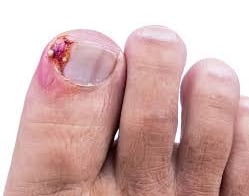
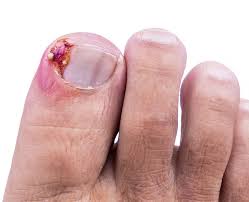
An ingrown toenail happens when the edge or corner of a nail grows into the surrounding skin. This usually affects the big toe, and can cause redness, swelling, tenderness, and sometimes infection if left untreated.
How can you prevent ingrown toenails?
Prevention often comes down to a few simple habits:
Cut your toenails correctly – always trim nails straight across, rather than rounding the edges. This prevents the nail from curving into the skin.
Avoid cutting nails too short – leave a little length to reduce the chance of the skin folding over the edge of the nail.
Wear well-fitting shoes – shoes that are too tight can push the nail into the skin, especially around the big toes.
Check your feet regularly – if you spot early signs of redness or discomfort, addressing it quickly can stop the problem from getting worse.
What can a podiatrist do if you develop one?
If an ingrown toenail has already started, don’t panic – podiatrists deal with this all the time. Depending on the severity, treatment might include:
Careful trimming and removal of the offending nail edge to relieve pressure and reduce pain.
Cleaning and dressing the toe to prevent or manage infection.
Antibiotics (via your GP) if the toe is infected.
Nail surgery in persistent or severe cases – a minor, routine procedure carried out under local anaesthetic to permanently remove the problematic section of nail.
Why is treatment important?
Left untreated, ingrown toenails can become infected and cause ongoing pain. For people with diabetes or circulation issues, they can be particularly risky and should always be checked by a professional.